First Aid Kits: Complete Guide for Home and Workplace
A first aid kit is only as good as its contents, location, and upkeep. A useful kit matches the setting, gets checked regularly, and stays stocked for the injuries most likely to happen.

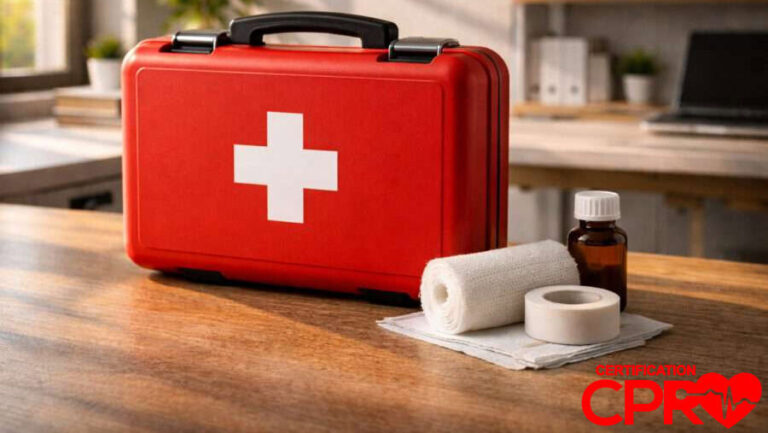
A first aid kit is only as good as its contents, location, and upkeep. A useful kit matches the setting, gets checked regularly, and stays stocked for the injuries most likely to happen.
Heat exhaustion and heat stroke both involve overheating, but they are not the same emergency. The first-aid response changes once symptoms point toward heat stroke or a 911-level problem.
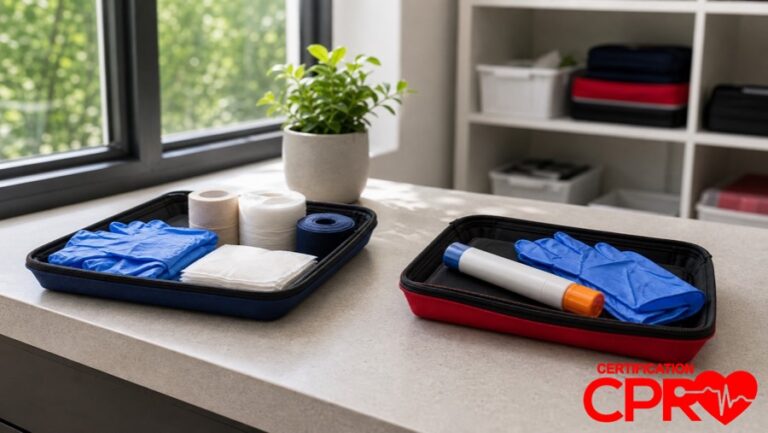
An allergic reaction is not automatically anaphylaxis, but the line matters because the response changes fast once breathing, circulation, or multiple body systems are involved.
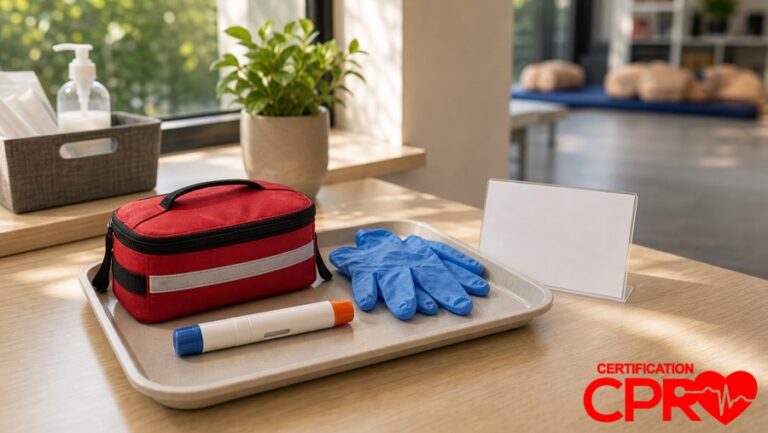
Anaphylaxis needs a direct emergency response, not watch-and-wait thinking. Call 911, use epinephrine when available and appropriate, and keep watching the person closely while the situation changes.
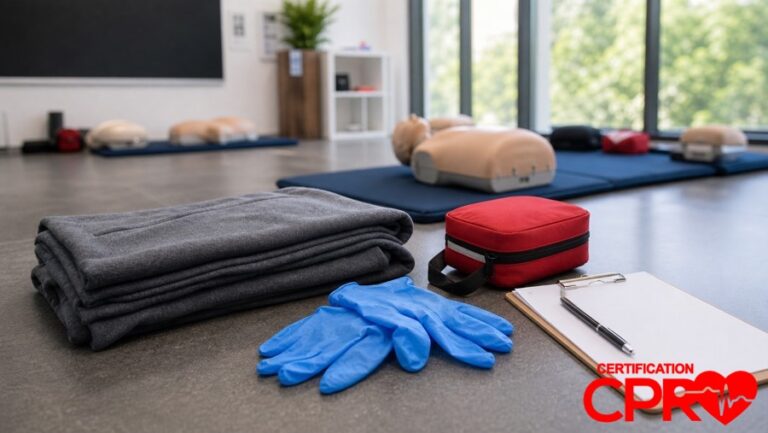
Seizure first aid is mostly about staying calm and protecting the person. The key is knowing what to do during the seizure, when to roll the person onto their side, and when to call 911.
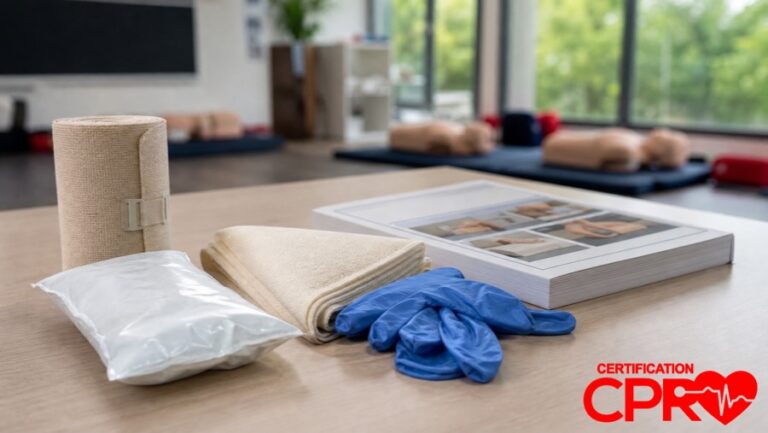
A sprain and a fracture can look almost identical at first. The first few minutes are about protecting the injury, watching for serious warning signs, and knowing when medical care should happen quickly.

Head injuries do not always declare themselves right away. The safest response is to know which symptoms to watch, which warning signs need faster medical attention, and when the situation becomes an emergency.

You can catch an infection in some first-aid situations, but helping someone does not automatically mean you will. The real risk depends on the kind of contact and whether blood or body fluids reach a true exposure route.

The recovery position is for a person who is unresponsive or barely awake but still breathing normally. It helps protect the airway while you wait for EMS, especially when vomiting or poor airway control is part of the picture.
Burn first aid depends on what caused the burn. A minor kitchen scald, a chemical exposure, and an electrical injury may all damage skin, but they do not call for the same first response.
No products in the cart.