Bystander CPR Statistics
Bystander CPR statistics matter because they show what happens before EMS arrives. The numbers reveal the survival gap, the underuse of CPR and public AEDs, and why ordinary bystanders matter so much.

Bystander CPR statistics matter because they show what happens before EMS arrives. The numbers reveal the survival gap, the underuse of CPR and public AEDs, and why ordinary bystanders matter so much.
Heart attack and cardiac arrest involve the heart, but they are not the same emergency. The practical difference changes what you do, especially when CPR and AED use become urgent.
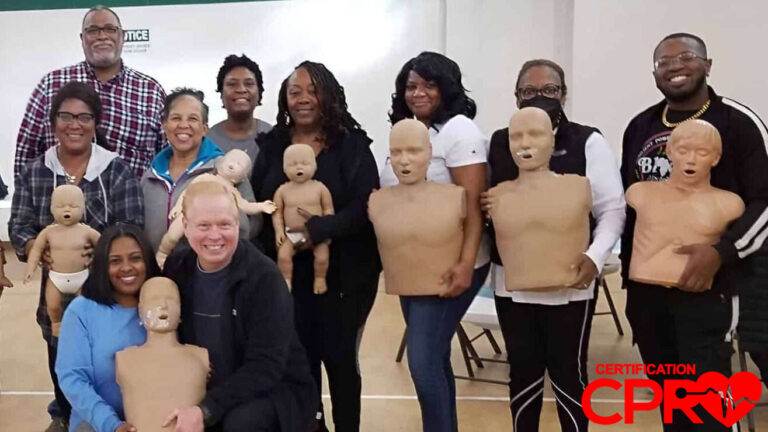
Everyone should learn CPR because cardiac arrest almost never starts around a full medical team. The skill matters at home, at work, and in public, where the first helper is often whoever is already there.
Modern CPR took shape in 1960, but the story starts much earlier. The major milestones explain how today’s CPR developed and why hands-on training still matters when you choose a class.
The Chain of Survival is the sequence that gives a person the best chance after cardiac arrest. Its six links show why early recognition, CPR, AED use, advanced care, post-arrest care, and recovery all matter.
The common fears are predictable: doing CPR wrong, hurting someone, legal worry, disease contact, and freezing under pressure. Training makes the response feel usable instead of overwhelming.

Verifying CPR certification means more than opening a digital card. Reviewers need to match the card to the requirement and keep training records clean enough to trust later.

Choosing the right CPR certification program gets easier once the choices are named clearly. A hands-on AHA BLS class is often the strongest choice, while First Aid works best as supplemental training.
Basic Life Support for healthcare providers is the class most healthcare-track readers need when the paperwork says BLS. The course name, card, and hands-on training matter more than a generic CPR label.
Teachers are often the closest adults when a school emergency starts. CPR training gives educators a usable response, and BLS is often the clearest path when school paperwork needs a serious card.
No products in the cart.